There is something truly satisfying about walking into a bedroom and finding a sumptuous bed, styled down to the smallest detail, with plenty of inviting, carefully chosen pillows, elegantly arranged against the headboard. That perfect balance between softness and symmetry—just like in the rooms of the finest boutique hotels—immediately gives us a feeling of comfort and well-being.

Pillows are not merely functional accessories; they can become the true stars of the bedroom. Mixing different shapes and volumes, layering a variety of fabric textures such as washed linen or velvet, and playing with color palettes can transform the bed into a stylish focal point.

However, an elegant bed is never truly complete if it isn’t also comfortable. For this reason, achieving the right balance between aesthetics and comfort is essential: choosing the right pillows means not only creating a refined look, but also ensuring high-quality rest.

In this guide, we’ll explore how to select the most suitable pillows, arrange them tastefully, pair them with the right pillowcases, and care for them properly, because every detail matters, and even dreams deserve a stage worthy of them.

How Many Pillows Should You Use on a Bed?

The number of pillows used on a bed depends, as always, on the style you want to give the bedroom and on the balance you’re looking for between functionality and beauty.

My basic recommendation—and the principle that also guides me when designing my own spaces, is to use at least two sleeping pillows and two or three decorative pillows.

I personally love sumptuous rooms full of character, so if you enjoy richer, more layered atmospheres, you can opt for up to seven pillows on a double bed.

The classic combination includes:

● Two standard rectangular pillows (for sleeping)

● Two square decorative pillows, 60×60 cm

● One or two smaller accent pillows placed at the center, chosen in special materials such as velvet or printed linen

I particularly love adding a pillow with handcrafted fringes or a velvet one in deep, rich tones—like our Ludo cushion in the Carmen burgundy pattern.

It’s the detail that, in my opinion, changes everything: it draws the eye, tells a clear style story, and turns the bed into a true domestic mise en place.

Pillow Shapes: Functional or Decorative? 

When it comes to pillow shapes, there’s no fixed rule, but there are many small habits you pick up over time. Like discovering that a square pillow placed behind your back during evening reading works wonders.

Or realizing, when preparing a guest room, that just two well-chosen decorative pillows are enough to make anyone feel instantly at home.

Every shape has its own function and character: rectangular pillows, for instance, are true allies of good rest, while large square ones add structure and volume to the headboard. And then there are the smaller decorative pillows, the ones I often use for the finishing touch. They can instantly change the mood of a room, just like an elaborate piece of jewelry worn with a simple dress.

Rectangular pillows (standard 50×70 or 40×60 cm) are designed for sleeping. They serve an ergonomic function and should always be dressed in a beautiful natural-fabric pillowcase.

Large square pillows (60×60 or 65×65 cm) are ideal for leaning against the headboard, reading, relaxing, and creating a full, layered visual base.

Decorative pillows (30×50 cm, with patterns or special shapes) are meant to add a personal touch, complete a color palette, or break the symmetry with character.

For a refined yet relaxed style, I love combining:

Filo or Gitane in linen, for a romantic touch

Pure, for a more essential look, available in the many patterns I’ve designed for you

● A decorative pillow like Frange in velvet, perfect in winter to create a warm, cozy bedroom atmosphere

Playing with shapes and patterns is one of the easiest ways to truly personalize your bedroom.

Cotton or Linen? Choosing the Right Fabric for Your Pillowcases

A well-chosen pillowcase makes all the difference, not only visually, but also in terms of sleep quality and the feeling against the skin.

High-quality cotton is the ideal fabric for those who seek softness, practicality, and durability through frequent washing. Our Filo collection has a compact yet wonderfully pleasant hand, perfect for those who love a crisp, impeccably ordered look.

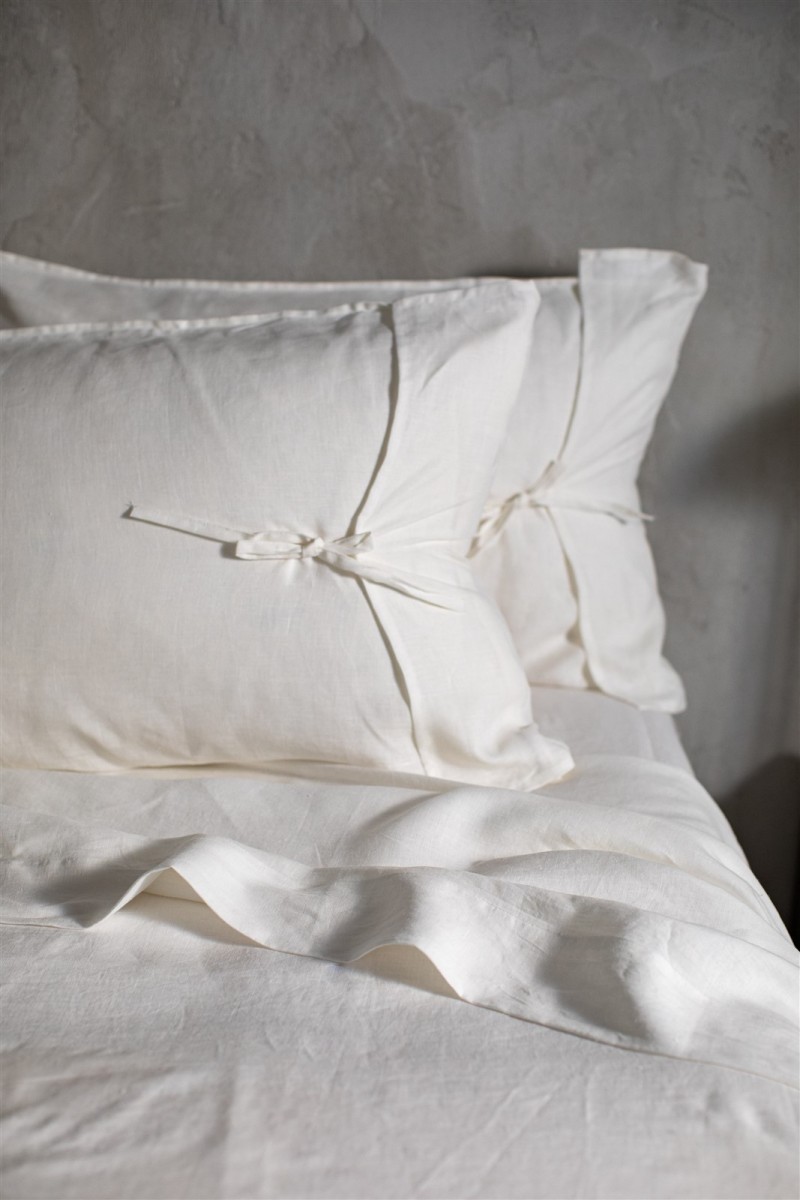
Washed linen, on the other hand, is for those who prefer a more natural, authentic effect. It is breathable, thermoregulating in every season, and beautiful even with its natural creases.

Pure linen pillowcases are among my favorites: they have a discreet character and make any bed look elegant, even the simplest one.

I always recommend having at least two linen pillowcases on hand, to use during the warmer months or whenever you want a lighter, fresher feel against the skin.

How to Arrange Pillows on the Bed with Style

Arranging pillows is like composing a painting: it requires balance and proportion, but also a touch of freedom and, above all, imagination. As with everything, I recommend trying out a few options to understand what you like best, so you can achieve the desired result. I love having plenty of pillows on my bed and creating depth by mixing different sizes and patterns.

The most classic arrangement includes:

● Sleeping pillows at the back

● Larger square pillows in front

● One or two decorative pillows in the center

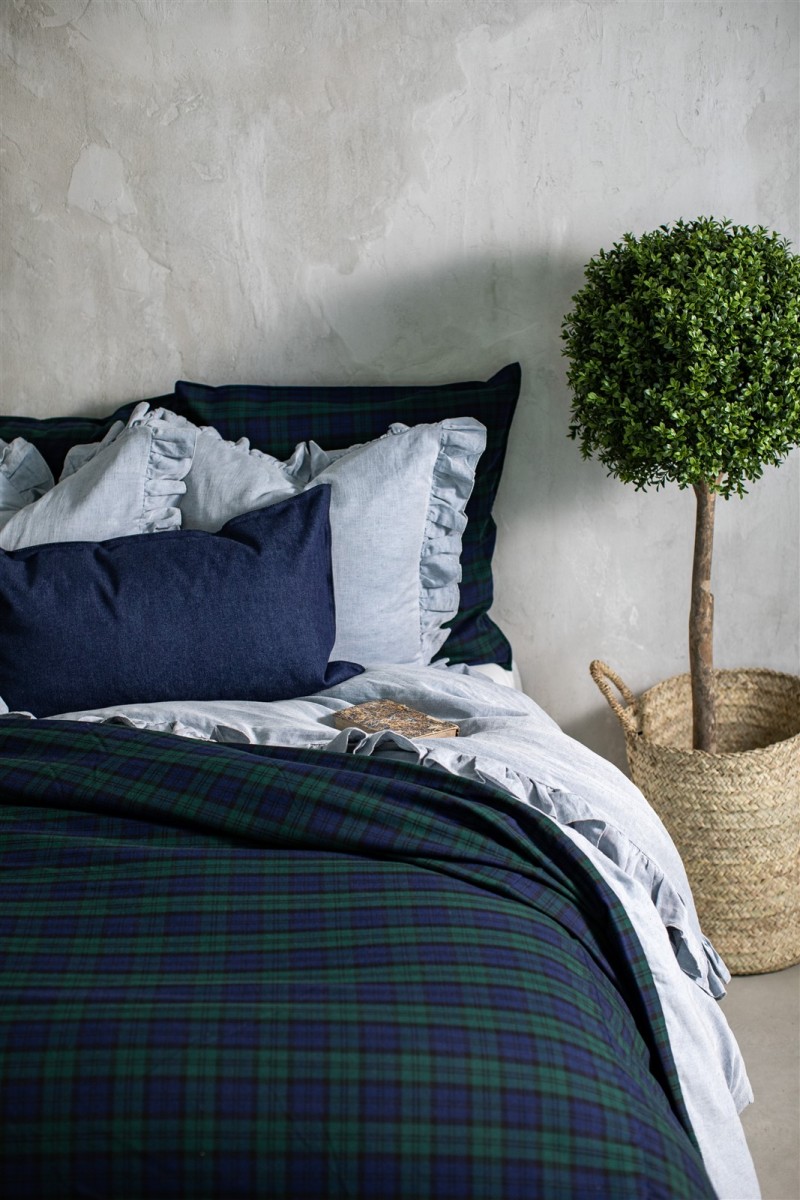
Personally, I also love softer, more relaxed compositions in a French style, with pillows slightly tilted—perhaps one shifted to the right, another placed lower on the left. Combined with washed linen pillowcases and a velvet cushion with fringes, the effect is that of a lived-in bedroom with natural elegance.

One idea I often use: two Ludo square velvet pillows on the sides and a small pillow with the Carmen burgundy pattern in the center. It’s a color combination that always works, especially with neutral sheets or darker contrasting bedding.

And if you really want to enhance the arrangement, play with the room’s color palette: echo the color of the curtains or the rug, even with just a small detail in the pillowcase. That way, the bed will speak the same visual language as the rest of the home.

The Right Pillows Improve Your Sleep (and Your Mood)

Choosing the right pillow is not just a matter of taste, but of physical well-being. If you wake up with neck pain, a heavy head, or tension in your shoulders, you’re probably sleeping on a pillow that doesn’t suit your posture.

For side sleepers, the best choice is a higher pillow that keeps the head, neck, and spine properly aligned. If you sleep on your back, a medium-height pillow is ideal, it supports the neck without lifting the head too much.

For stomach sleepers, a very thin, almost flat pillow is best, as it doesn’t force the neck into an unnatural position.

Material also makes a difference. Goose down pillows are naturally breathable and soft, perfect for those who love to sink gently into sleep. Memory foam pillows, on the other hand, are ideal for anyone looking for firmer, more stable support: they follow the shape of the head and neck, adapting to pressure and reducing tension points.

There are also natural latex pillows, which offer elasticity and hygiene, as well as hypoallergenic fillings, perfect for those with specific needs.

My advice is to always choose natural pillowcases, in high-quality cotton or washed linen, which allow both the pillow and the skin to breathe. The quality of your sleep also depends on what surrounds you.

How to Take Care of Your Pillows

A good pillow deserves care. We choose it carefully to sleep well, and it’s only right to keep it fresh, clean, and in good condition, for the well-being of the body, but also for the pleasure of enjoying a bedroom that always feels tidy and welcoming.

Feather and Synthetic Fiber Pillows

These pillows can be machine-washed, but always on a gentle cycle, at a low temperature (maximum 30°C / 86°F), using a mild detergent, preferably liquid. Avoid fabric softener, as it can weigh down the fibers and reduce breathability. After washing, it’s important to dry them thoroughly. Use a tumble dryer on low heat with two wool dryer balls or clean tennis balls. This helps redistribute the filling and restore the pillows’ softness, making them feel like new again.

Memory Foam or Latex Pillows

These materials should never be immersed in water. Instead, I recommend airing them out regularly, even just for an hour a day by opening a window. For deeper cleaning, wipe the surface with a slightly damp cloth, adding a little baking soda to refresh and sanitize. From time to time, you can leave them outdoors for a few hours, avoiding direct sunlight, which could dry out and damage the material.

Pillowcases: How to Wash and Store Them Properly

Cotton and linen pillowcases should be washed with care, as they are in direct contact with the skin and absorb sweat, makeup, and creams. I always recommend washing them once a week at 40°C (104°F) with a mild detergent and without strong fragrances. If you have sensitive skin, here’s a small tip: add a teaspoon of white vinegar during the rinse cycle to neutralize any soap residue.

Washed linen pillowcases can be ironed for a neat, polished look, but they are also beautiful when left naturally wrinkled, especially as part of a more relaxed or boho-chic style.

If you have multiple sets, rotate them: this will help them last longer, and each change will be an opportunity to refresh the mood of the room.

How Often Should Pillows Be Replaced?

Even if they look fine on the outside, pillows gradually lose their support. For this reason, I recommend replacing sleeping pillows every two to three years,

depending on how frequently they are used.

A clear sign? If you fold the pillow in half and it doesn’t return to its original shape, it’s probably time to replace it.

Decorative pillows, on the other hand, tend to last longer: you can simply refresh them and update the pillowcases according to the season or the style of the room.

FAQ – Frequently Asked Questions About Bed Pillows 

Which pillow should I choose for a good night’s sleep?

It depends on your sleeping position. Side sleepers should choose a higher, firmer pillow. Back sleepers need a medium-height one. Stomach sleepers are better off with a thin, flexible pillow. The right material varies according to personal preference: down for softness, memory foam for support, latex for hygiene and structure.

How do you wash bed pillows?

Feather and synthetic fiber pillows can be machine-washed. Memory foam and latex pillows should not be washed in water—dry cleaning or freshening with baking soda is recommended instead. Pillowcases should be washed at 40°C (104°F) with a mild detergent.

How should pillows be arranged on a double bed?

You can line them up neatly or arrange them with a touch of intentional asymmetry for a more natural look. The key is to play with volumes and textures.

Where should pillows be placed while sleeping?

Decorative pillows can be placed on a bench, in an elegant basket, or stored in linen bags. Avoid leaving them on the floor—even small details deserve care and respect.

Product added to wishlist
Product added to compare.