The Right Pillows Improve Your Sleep (and Your Mood)
Choosing the right pillow is not just a matter of taste, but of physical well-being. If you wake up with neck pain, a heavy head, or tension in your shoulders, you’re probably sleeping on a pillow that doesn’t suit your posture.
For side sleepers, the best choice is a higher pillow that keeps the head, neck, and spine properly aligned. If you sleep on your back, a medium-height pillow is ideal, it supports the neck without lifting the head too much.
For stomach sleepers, a very thin, almost flat pillow is best, as it doesn’t force the neck into an unnatural position.
Material also makes a difference. Goose down pillows are naturally breathable and soft, perfect for those who love to sink gently into sleep. Memory foam pillows, on the other hand, are ideal for anyone looking for firmer, more stable support: they follow the shape of the head and neck, adapting to pressure and reducing tension points.
There are also natural latex pillows, which offer elasticity and hygiene, as well as hypoallergenic fillings, perfect for those with specific needs.
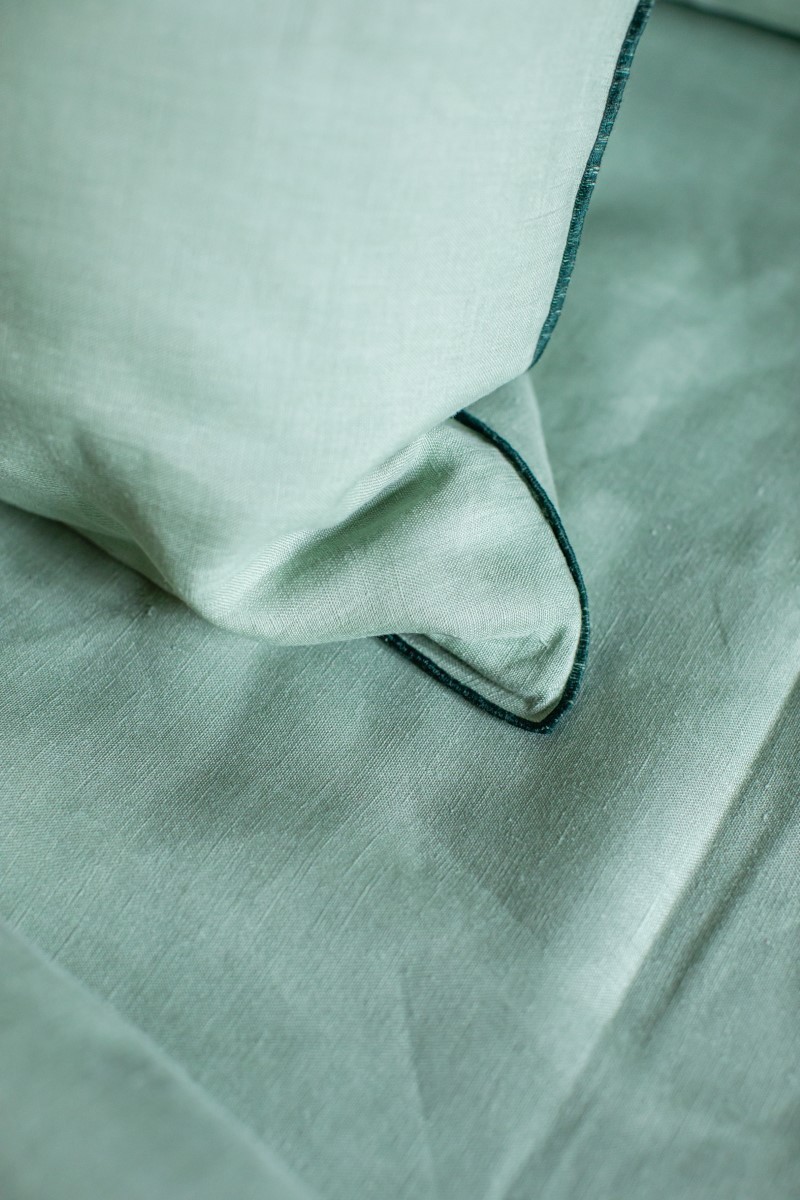
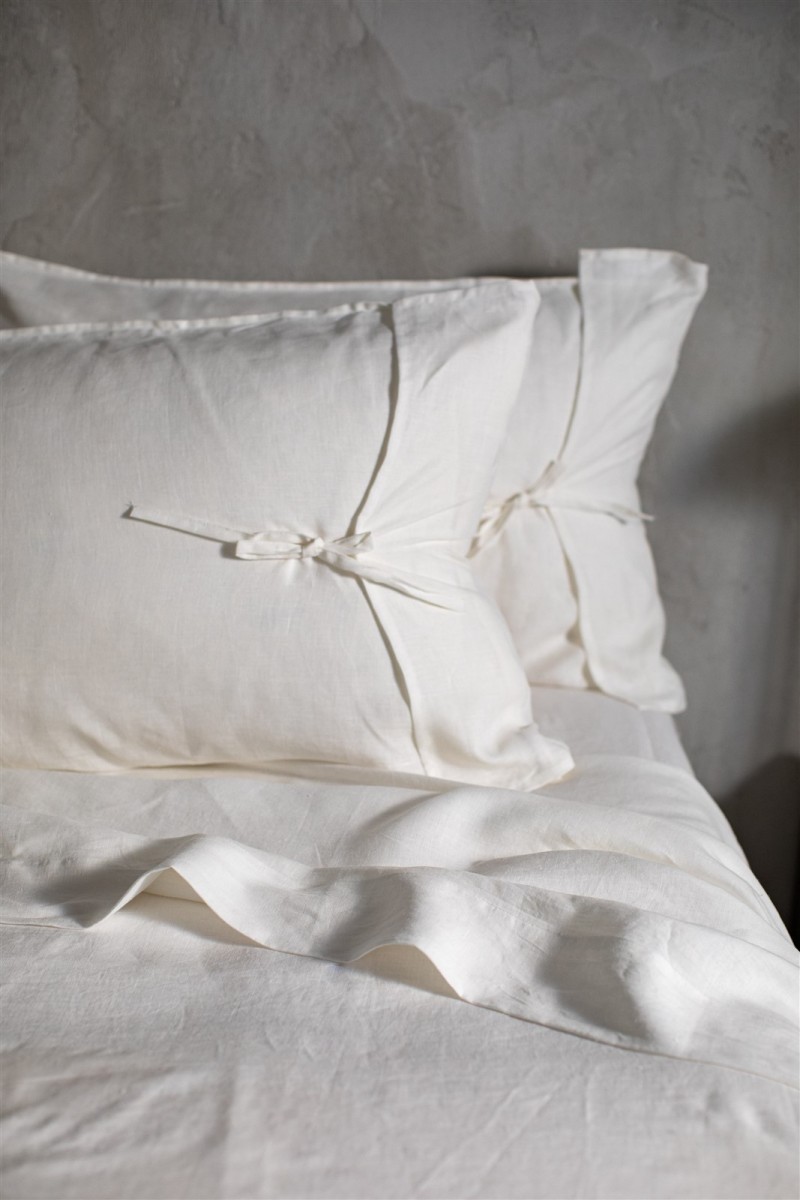
My advice is to always choose natural pillowcases, in high-quality cotton or washed linen, which allow both the pillow and the skin to breathe. The quality of your sleep also depends on what surrounds you.
How to Take Care of Your Pillows
A good pillow deserves care. We choose it carefully to sleep well, and it’s only right to keep it fresh, clean, and in good condition, for the well-being of the body, but also for the pleasure of enjoying a bedroom that always feels tidy and welcoming.
Feather and Synthetic Fiber Pillows
These pillows can be machine-washed, but always on a gentle cycle, at a low temperature (maximum 30°C / 86°F), using a mild detergent, preferably liquid. Avoid fabric softener, as it can weigh down the fibers and reduce breathability. After washing, it’s important to dry them thoroughly. Use a tumble dryer on low heat with two wool dryer balls or clean tennis balls. This helps redistribute the filling and restore the pillows’ softness, making them feel like new again.
Memory Foam or Latex Pillows
These materials should never be immersed in water. Instead, I recommend airing them out regularly, even just for an hour a day by opening a window. For deeper cleaning, wipe the surface with a slightly damp cloth, adding a little baking soda to refresh and sanitize. From time to time, you can leave them outdoors for a few hours, avoiding direct sunlight, which could dry out and damage the material.
Pillowcases: How to Wash and Store Them Properly
Cotton and linen pillowcases should be washed with care, as they are in direct contact with the skin and absorb sweat, makeup, and creams. I always recommend washing them once a week at 40°C (104°F) with a mild detergent and without strong fragrances. If you have sensitive skin, here’s a small tip: add a teaspoon of white vinegar during the rinse cycle to neutralize any soap residue.
Washed linen pillowcases can be ironed for a neat, polished look, but they are also beautiful when left naturally wrinkled, especially as part of a more relaxed or boho-chic style.
If you have multiple sets, rotate them: this will help them last longer, and each change will be an opportunity to refresh the mood of the room.
How Often Should Pillows Be Replaced?
Even if they look fine on the outside, pillows gradually lose their support. For this reason, I recommend replacing sleeping pillows every two to three years,
depending on how frequently they are used.
A clear sign? If you fold the pillow in half and it doesn’t return to its original shape, it’s probably time to replace it.
Decorative pillows, on the other hand, tend to last longer: you can simply refresh them and update the pillowcases according to the season or the style of the room.